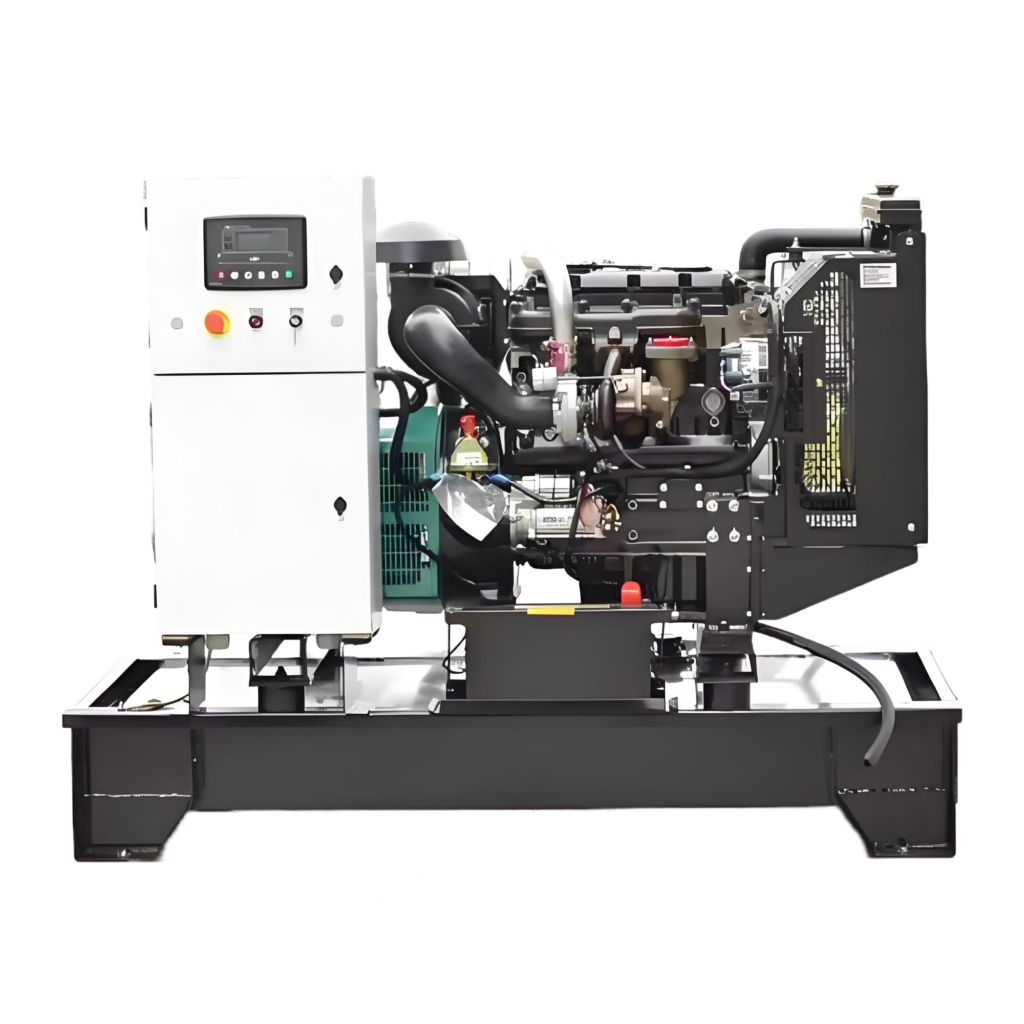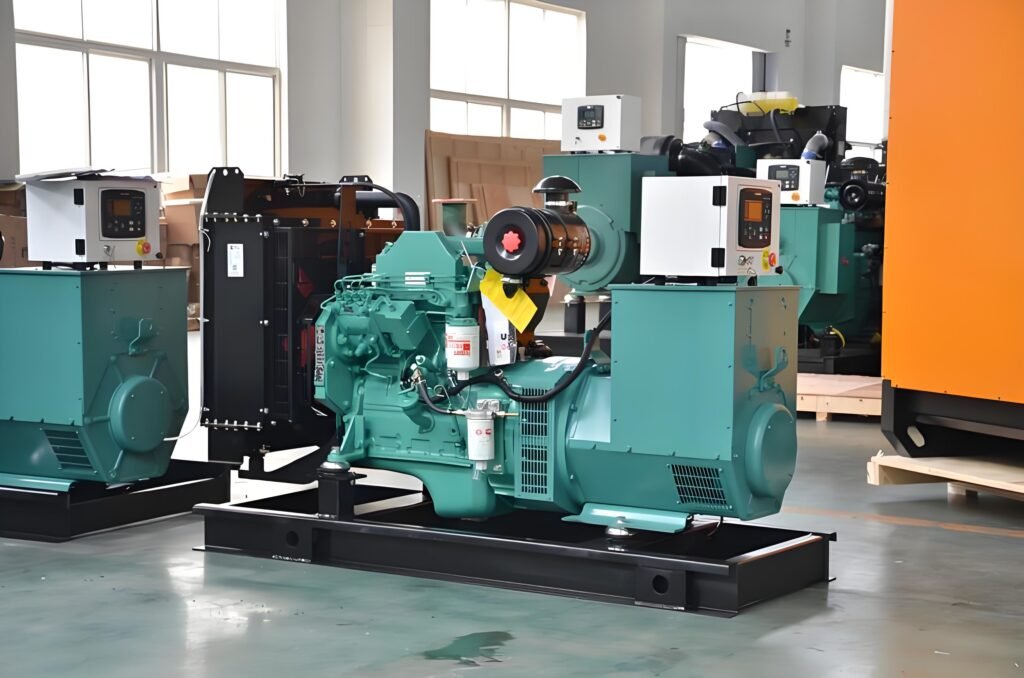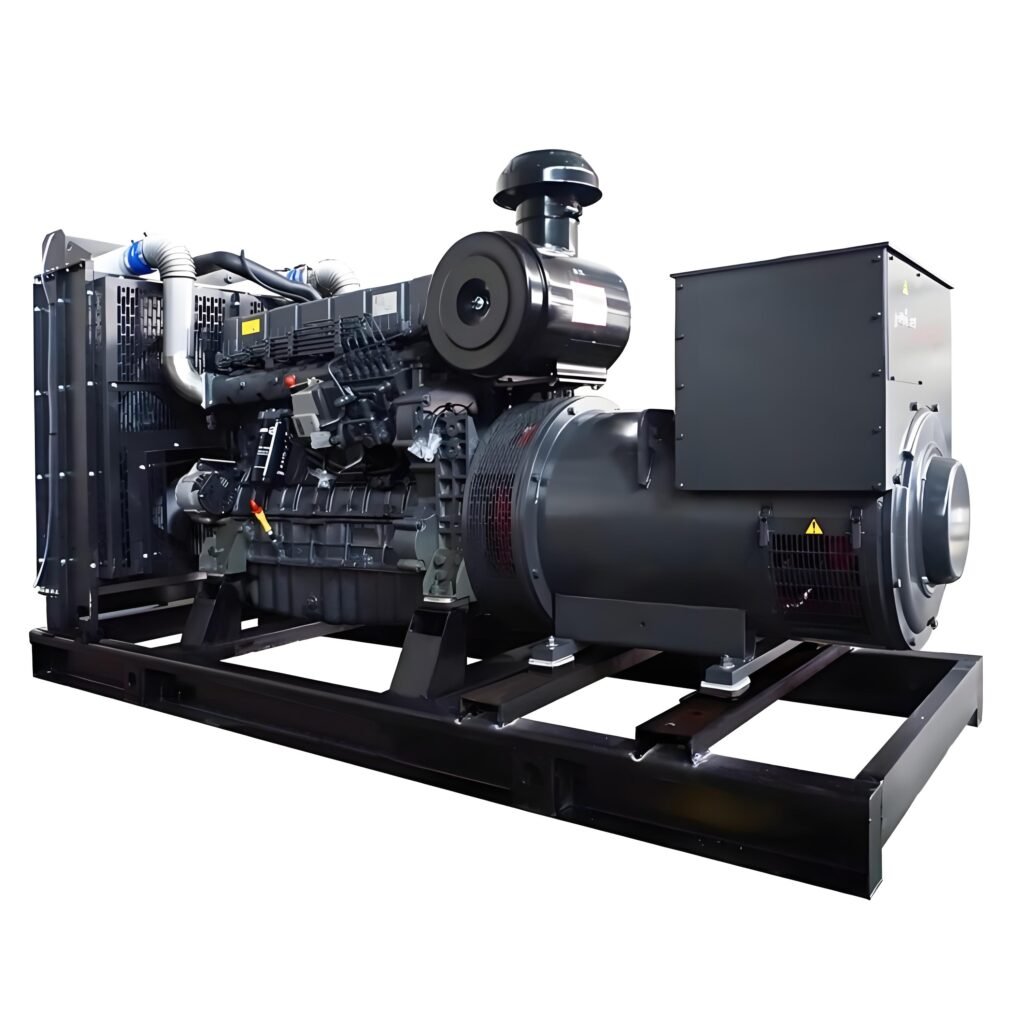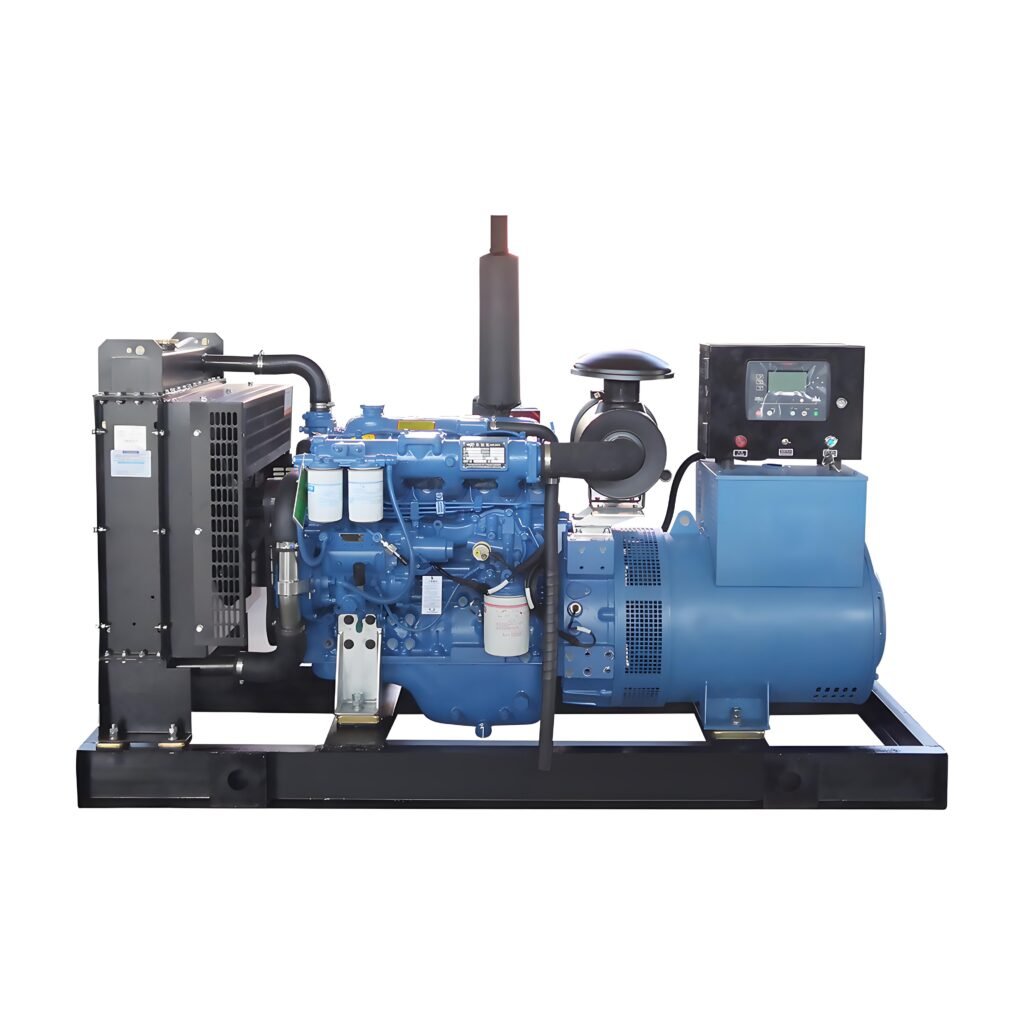
Diesel generator set
Where a 350 kW Diesel Generator Makes a Difference During Power Outages
Reliable electricity is essential for keeping modern businesses, industrial facilities, and infrastructure running. Even a short power outage can interrupt production, shut down essential equipment, delay operations, and create unexpected costs.
For facilities with moderate to high power demands, a 350 kW diesel generator can provide a practical backup power solution. This capacity is commonly suitable for industrial workshops, commercial buildings, warehouses, agricultural operations, construction projects, and other sites where maintaining electrical continuity is critical.
Why Power Outages Can Be Costly for Industrial and Commercial Sites
Power interruptions are more than just an inconvenience. For many businesses, losing electricity means losing productivity.
In a manufacturing facility, an unexpected outage can stop machinery in the middle of a production cycle. CNC machines, compressors, pumps, conveyors, welding equipment, and control systems may all shut down at once. Restarting production can take time, and unfinished products may need to be inspected or discarded.
For warehouses and distribution centers, power failures can affect lighting, loading equipment, security systems, IT networks, refrigeration, and automated handling systems. If the outage lasts several hours, normal logistics operations can quickly fall behind schedule.
Commercial facilities can face similar challenges. Elevators may stop operating, electronic access systems may go offline, communication equipment can lose power, and essential building services may be interrupted.
A dependable diesel generator helps reduce these risks by supplying electricity when the utility grid is unavailable.
Manufacturing Plants and Industrial Workshops
Manufacturing is one of the most common applications for a diesel generator in this power range.
A 350 kW generator can support selected production equipment, electrical control systems, workshop lighting, air compressors, pumps, ventilation equipment, and other important loads.
Without backup power, a factory outage may result in:
Production line shutdowns
Missed delivery schedules
Damaged work-in-progress materials
Equipment restart delays
Loss of productivity
Additional labor and maintenance costs
For manufacturers operating multiple shifts, even one hour without electricity can affect the entire production schedule.
A diesel generator allows essential equipment to remain operational or provides enough power for an orderly shutdown until grid power returns.
Warehouses and Distribution Centers
Modern warehouses depend heavily on electricity.
Lighting, conveyor systems, loading equipment, barcode scanners, computers, security systems, access controls, and automated storage equipment all require stable power.
During an outage, warehouse employees may be unable to process incoming or outgoing shipments. Automated systems can stop, loading schedules can be delayed, and orders may miss planned dispatch times.
For refrigerated or temperature-sensitive storage facilities, the situation can become even more serious because cooling systems must continue operating.
A 350 kW diesel generator can provide backup electricity for critical warehouse systems and help maintain normal operations during grid failures.
Commercial Buildings
Office buildings, retail facilities, hotels, and other commercial properties also benefit from reliable standby power.
A generator can support essential systems such as:
Emergency and general lighting
Security and access control
Communication equipment
IT systems
Water pumps
Ventilation equipment
Selected elevators
Building management systems
When a commercial building loses electricity, the impact can quickly extend beyond inconvenience. Employees may be unable to work, customers may need to leave, security systems can be affected, and building operations may come to a standstill.
Backup generation helps keep essential services available while utility power is being restored.
Construction Sites
Construction projects frequently require temporary power, especially in locations where permanent grid connections are unavailable or unreliable.
A 350 kW diesel generator can supply electricity for construction equipment, tower cranes, pumps, lighting, welding machines, compressors, site offices, and other temporary facilities.
Power interruptions on a construction site may cause:
Equipment downtime
Delays in scheduled work
Reduced worker productivity
Problems with lighting during night operations
Delays in concrete, pumping, or fabrication work
Because construction schedules are often tightly coordinated, unexpected downtime can affect contractors, subcontractors, equipment rental schedules, and project completion dates.
Diesel generators provide an independent source of power and can be relocated as the project progresses.
Agriculture and Farming Operations
Modern farms increasingly depend on electrical equipment.
Irrigation pumps, ventilation systems, feed systems, water pumps, refrigeration equipment, grain handling systems, and processing machinery may all require continuous electricity.
A power outage during a critical period can create significant operational problems.
For example, livestock facilities may lose ventilation or water supply. Irrigation systems may stop during hot weather. Refrigerated agricultural products can be exposed to unsuitable temperatures.
A diesel generator provides backup power where electrical reliability directly affects productivity, livestock welfare, and stored products.
Water Pumping and Infrastructure
Pumping stations, water treatment facilities, drainage systems, and other infrastructure applications often require dependable emergency power.
If pumping equipment stops during a utility outage, water supply or drainage operations may be interrupted. In some locations, prolonged downtime can result in flooding, pressure loss, or interruptions to essential services.
A properly sized diesel generator can provide emergency power for pumps, motors, control panels, monitoring equipment, and auxiliary systems.
Remote and Off-Grid Locations
Not every project has access to a reliable electrical grid.
Mining operations, remote industrial sites, temporary camps, infrastructure projects, and isolated facilities may require independent power generation for extended periods.
In these environments, diesel generators are widely used because they offer high power output, established fuel availability, and the ability to operate independently of the local grid.
A 350 kW generator can serve as a primary or backup source of electricity depending on the site’s actual load requirements.
What Happens When There Is No Backup Generator?
For many businesses, the true cost of a power outage is not the electricity itself. It is the interruption to the operation.
Consider a production facility where workers, machinery, and materials are all scheduled around a fixed manufacturing plan. If power disappears unexpectedly, the business may continue paying employees while production remains stopped.
A warehouse may miss shipping deadlines.
A construction site may lose several hours of productive work.
A farm may be unable to operate pumps or ventilation systems.
A commercial facility may have to suspend normal business activities.
The longer the outage continues, the greater the potential financial and operational impact.
Backup power gives businesses greater control over these situations.
Why Diesel Generators Remain a Practical Backup Power Solution
Diesel generators continue to be widely used for industrial and commercial backup power because they are designed for demanding applications and can deliver substantial electrical output when required.
For facilities requiring approximately 350 kW of generator capacity, a diesel generator can provide enough power to support a combination of essential equipment and building services.
Depending on the application, the generator may operate as:
Emergency standby power
Backup power during utility outages
Temporary construction power
Remote-site power
Supplementary power for industrial operations
The actual generator size should always be selected according to the site’s real electrical load, motor starting requirements, operating conditions, and required backup strategy.
Planning for the Next Power Outage
Power failures are difficult to predict, but their impact can be managed.
For manufacturers, warehouses, commercial facilities, farms, construction projects, and infrastructure sites, a correctly sized diesel generator can help keep essential operations running when utility power is unavailable.
A 350 kW diesel generator offers a strong balance between power capacity and installation flexibility for many medium-scale industrial and commercial applications.
Rather than waiting for the next outage to reveal where a facility is vulnerable, businesses can identify critical electrical loads in advance and build a backup power plan around the equipment that matters most.
With the right generator capacity, electrical configuration, and installation plan, a sudden loss of grid power does not have to mean a complete loss of operations.
Submit Your Requirements!
Request Detailed Specification | Ask for Quotation | Download Datasheet
Share your love
Best Selling Products